This article was written based on the ideas of Carl Gustav Jung, one of the founders of analytical psychology. His views, while not entirely consistent with modern neurological concepts, offer an interesting perspective for understanding the relationship between the conscious and the unconscious. It is important to remember that Jung used the term "neurotic" in the context of his time, which may not align with modern clinical definitions.
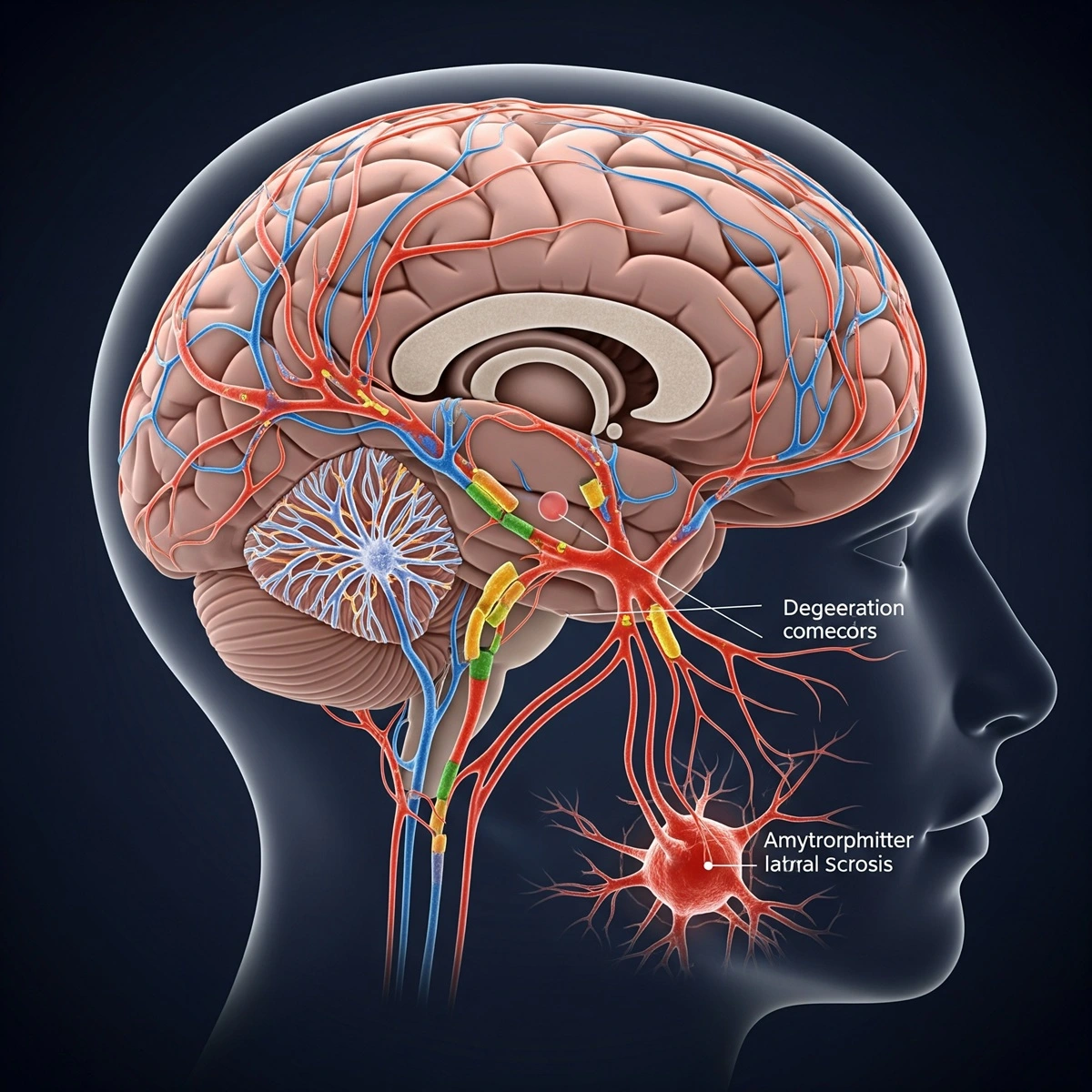
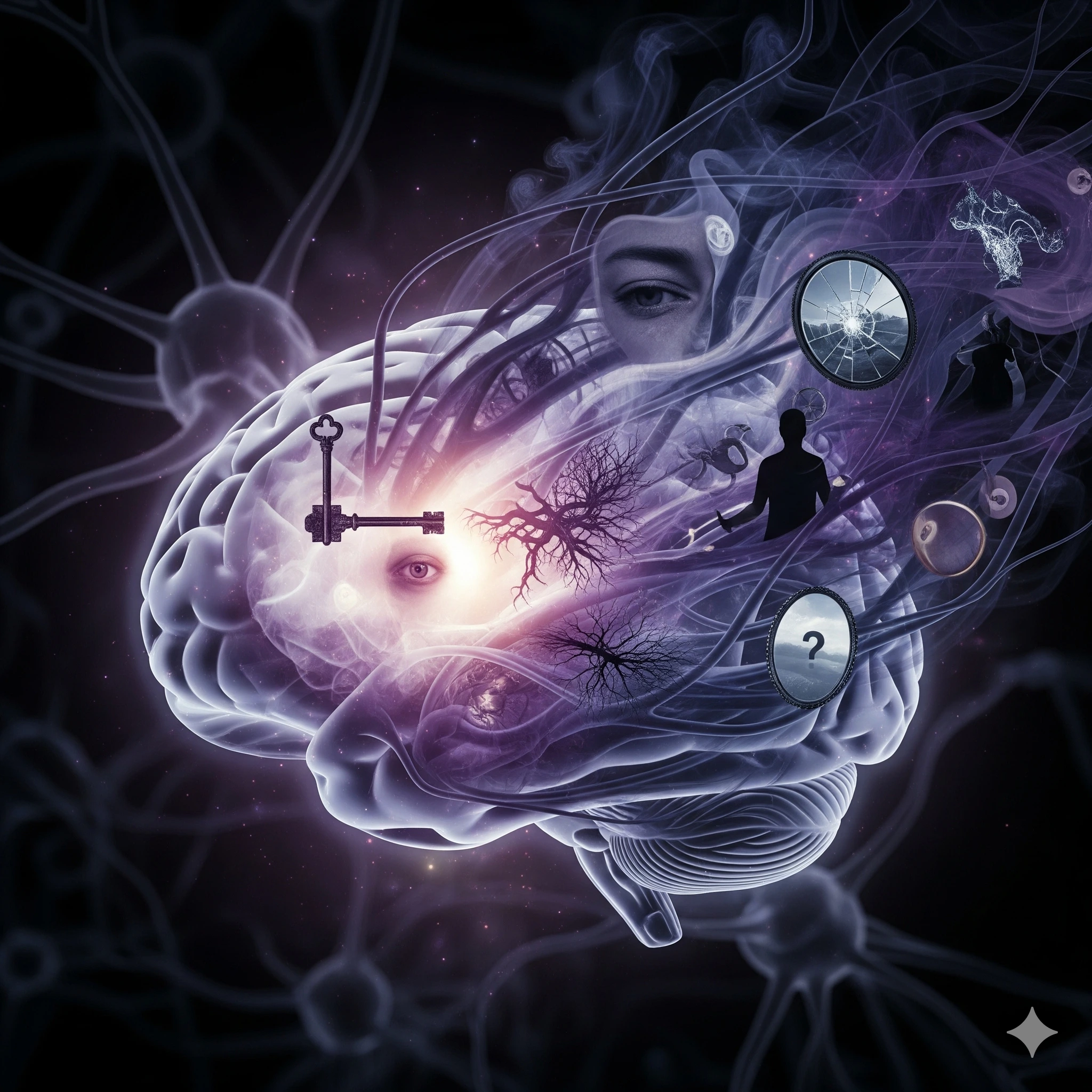
Our brain is a complex network where conscious processes (thinking, decision-making) and unconscious mechanisms work simultaneously. Consciousness can be compared to the tip of an iceberg: we only see a small part of what is happening in the brain. The unconscious, on the other hand, is its main, hidden part. It is not just a repository of forgotten memories; it actively influences our behavior, emotions, and even our physical condition.
The Dynamics of Consciousness and the Unconscious
Jung's views on the relationship between the conscious and unconscious help us understand why we sometimes act inexplicably or feel that our reactions are illogical. He wrote that the unconscious "compensates" for consciousness. This means that if we consciously suppress certain thoughts or feelings, they don't disappear; they sink into the unconscious, from where they can influence us indirectly—through dreams, fantasies, unexpected emotional outbursts, or even physical symptoms.
When Balance is Disrupted: Neuroses and Psychoses
Jung believed that every person has a kind of "intensity threshold" for consciousness. Everything that is too weak or doesn't align with our beliefs stays below this threshold. In a healthy state, there is a balance between the conscious and the unconscious, but in neurotic disorders, this balance is disturbed. Jung said that for neurotics, the "partition" between the conscious and the unconscious becomes more permeable. This means that suppressed thoughts and emotions can more easily enter consciousness, causing anxiety, obsessive states, and other symptoms.
In more severe cases, such as with psychosis, the unconscious completely dominates the conscious mind. This leads to a loss of contact with reality, hallucinations, and delusions, where a person is entirely under the control of their unconscious processes.
Practical Application in Neurology
Understanding these dynamics is of great importance for neurology. Many neurological disorders have a psychological component. Anxiety, depression, post-traumatic stress disorder (PTSD), and even some types of chronic pain can be linked to unconscious processes that affect our nervous system.
Modern neuroimaging techniques, such as fMRI (functional magnetic resonance imaging), allow us to observe how the brain reacts to various stimuli, including those related to emotions and memory. These studies show that unconscious processes, associated with the amygdala (the center for fear and emotions) and other brain regions, can be activated before we become aware of our reactions. This confirms Jung's idea that the unconscious plays a key role in our behavior.
Sources and Bibliography
Scientific sources used in this article:
- Jung, C. G. "Instinct and the Unconscious."
- Damasio, A. R. "Descartes' Error: Emotion, Reason, and the Human Brain" (on the importance of emotions in decision-making, which resonates with the role of the unconscious).
- Kandel, E. R. "Principles of Neural Science" (a foundational work describing the neurobiological basis of consciousness and the unconscious).
- Panksepp, J. "Affective Neuroscience" (on the role of primary emotional systems in behavior).
This article is for informational purposes only and is not a substitute for consulting with a neurologist. If you have any questions or symptoms, I am ready to discuss this with you - My contacts.