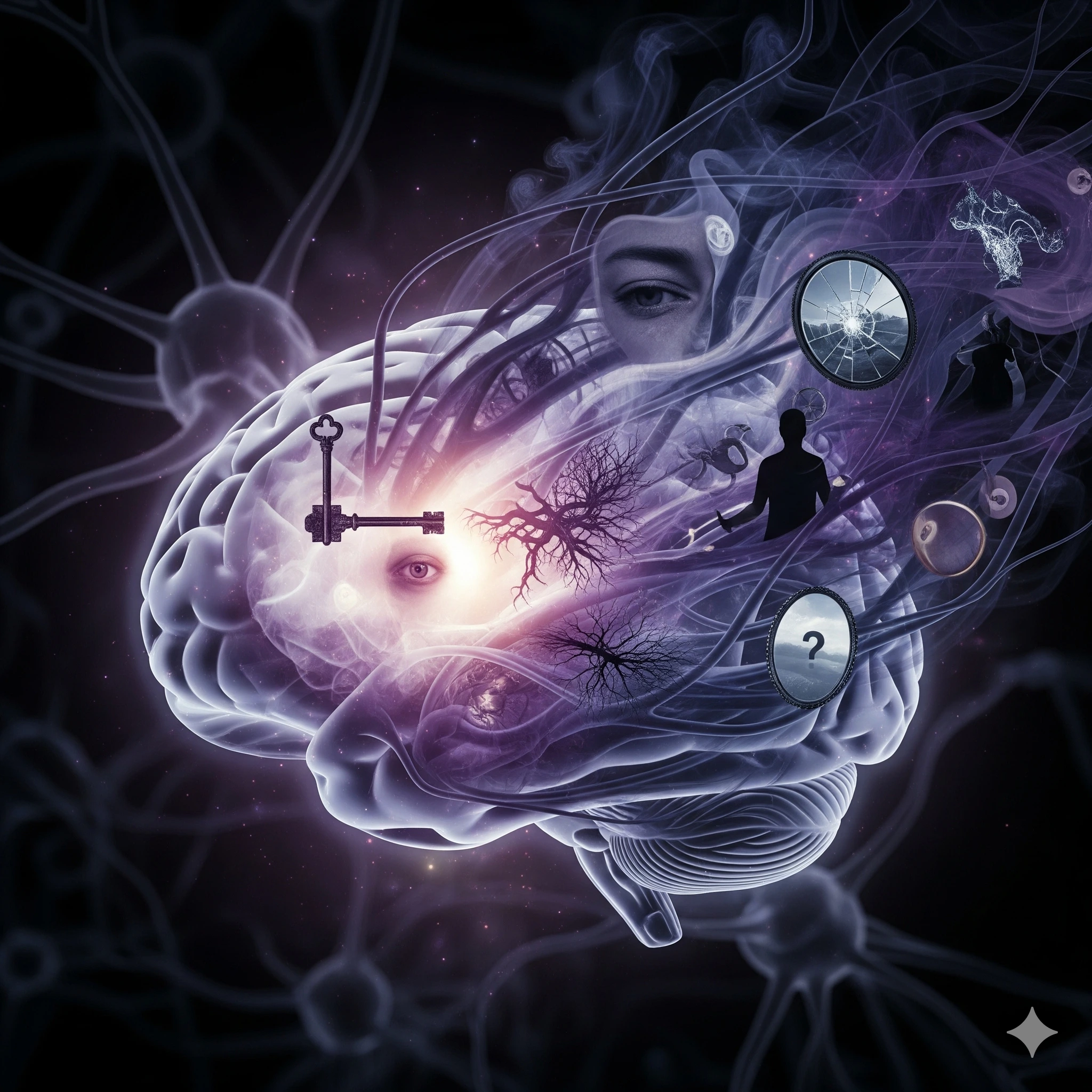
We often think of ourselves as "good" people, capable of compassion and kindness. But deep within each of us lies another side—one capable of deceit, indifference, and cruelty. This is our Shadow, and facing it can be terrifying, but it's essential for self-knowledge. This dark side of the human psyche has a scientific name: the Dark Triad.
Three Facets of Character: Narcissism, Psychopathy, Machiavellianism
In 2002, psychologists Delroy Paulhus and Kevin Williams proposed this concept, which unified three independent but often overlapping personality traits. They named it the Dark Triad, drawing a parallel to mystical symbols, which emphasizes its deep, almost archetypal significance.
The Narcissist — A Prisoner of Their Own Grandeur. Unlike the mythical Narcissus who loved his reflection, the modern narcissist is in love with an idealized image of themselves. They don't pretend to be special—they genuinely believe in their own superiority. Such people are incapable of genuine empathy, and they perceive criticism as an attack on their identity. Their life is a play where they are the only stars.
The Psychopath — An Emotional Colorblind. They see the world without the nuances of feelings. Emotions like guilt, shame, or fear are almost unknown to them. This emotional blindness can seem like a superpower, allowing them to take risks and make ruthless decisions without remorse. A psychopath is a master of social masks; they study the emotions of others to manipulate them, not to empathize.
The Machiavellian — A Grandmaster of Human Destinies. Named after the Italian philosopher, this personality type views life as a strategic game where people are pawns. A Machiavellian is not necessarily a cruel or malicious person, but their actions are always dictated by cold pragmatism. They are cynical, see the weaknesses in others, and use them, believing that "the ends justify the means."
Why is Darkness Attractive? 💔
Paradoxically, people with Dark Triad traits often seem very attractive. Their confidence, fearlessness, and charisma can create an illusion of strength. In a world full of doubts, someone who radiates absolute confidence seems like a beacon. Evolutionary psychologists suggest that these traits may have been adaptive, helping our ancestors succeed in a competitive environment.
However, behind this success lies a void. Narcissists constantly seek admiration to feel complete. Psychopaths are perpetually chasing thrills to fill an inner emptiness. Machiavellians are always weaving intrigues to maintain control.
Neurobiology and Healing: 🧠
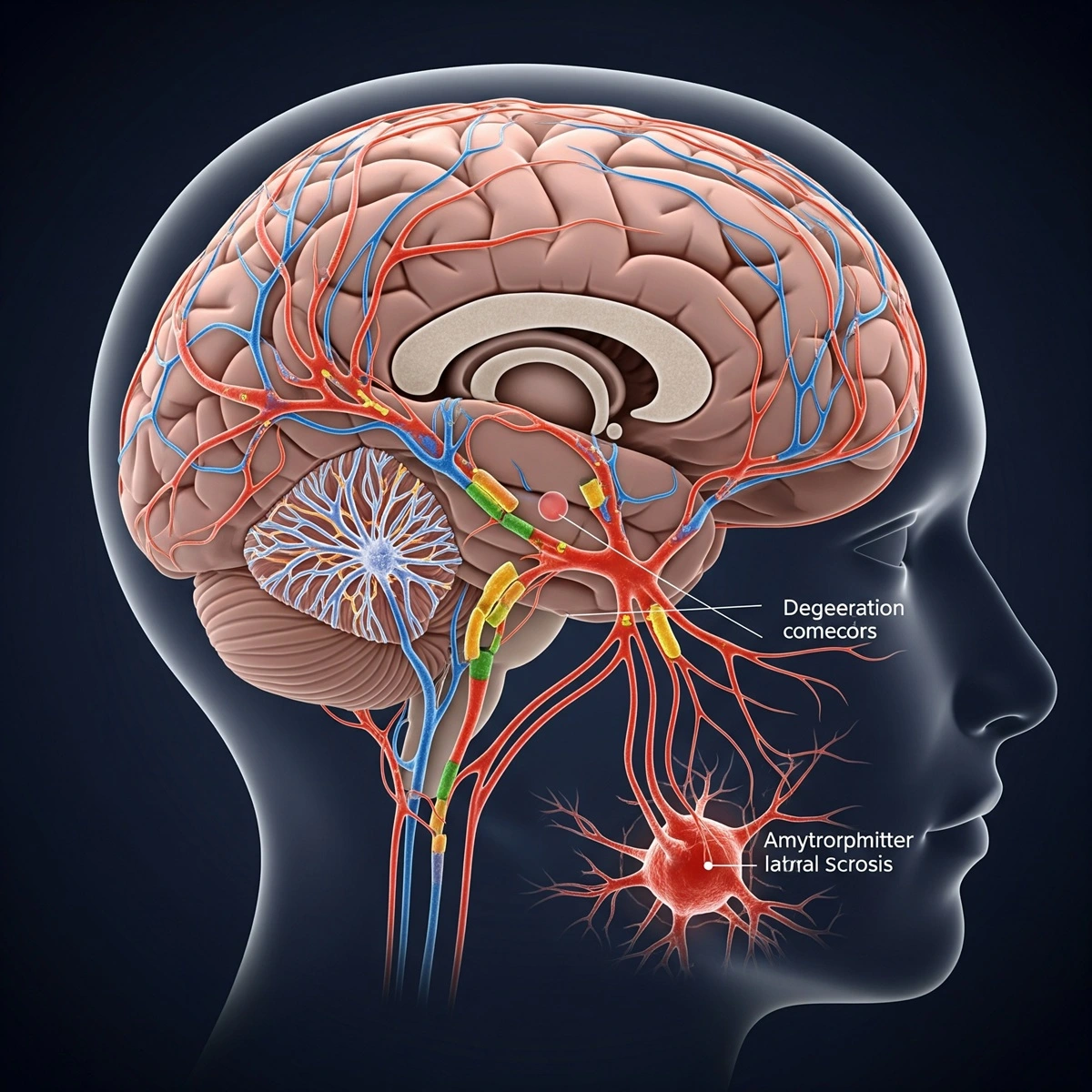
Modern science is exploring how these dark traits manifest in the brain. Research shows that people with psychopathy have differences in brain structures responsible for emotions and empathy, such as the amygdala and the prefrontal cortex. This may explain their alexithymia—the inability to recognize and express their own feelings.
It is important to remember that having these traits is not a life sentence. The brain possesses neuroplasticity, and a focused effort on self-improvement—for example, through psychotherapy—can help in the development of empathy and self-awareness.
Sources and Bibliography
Scientific sources used in this article:
- Paulhus, D. L., & Williams, K. M. (2002). The Dark Triad of personality: Narcissism, Machiavellianism, and psychopathy. Journal of Research in Personality, 36(6), 556–563. (Foundational work on the Dark Triad concept).
- Jones, D. N., & Figueredo, A. J. (2013). The core of darkness: Unifying the Dark Triad with a general factor (g). Personality and Individual Differences, 54(7), 842–846. (Work on the "Dark Factor" – D-Factor).
- Hare, R. D. (1993). Without Conscience: The Disturbing World of the Psychopaths Among Us. (A classic work on psychopathy, touching on neurobiological aspects).
- Rautio, N., & Keltikangas-Järvinen, L. (2019). The relationship between alexithymia and the Dark Triad personality traits. Personality and Individual Differences, 137, 241-246. (A study on the connection between Alexithymia and the Dark Triad).
- Jung, C. G. (1968). Man and His Symbols. (On the concept of the Shadow and its integration).
This article is for informational purposes only and is not a medical or psychological diagnosis. If necessary, I am ready to help you.